

Funding for Peatland ECR
Apply for micro-funds during the summer field season
There are expenses coming up during the summer of 2025 that you need to pay for, but you don’t know how to finance them?

PeatNeeds is back for financial support of peatland ECR during spring 2025!
We are able to provide Peat ECR with micro-funds, thanks to the peatland-loving community. The profits of the 2024 PEAT Calendar along with other generous donations, allow us to bring back #PeatNeeds in preparations for the 2025 summer field season!
We will award three Peat ECR with up to $100 CAD each, during March through Mai 2025.
Fundable expenses can include: new personal field gear, work-from-home equipment, manuscript proofreading, technical or training courses (to expand your skills in, i.e. statistics, ecology, Indigenous knowledge, etc.), etc.
Requirements
- You are a Peat ECR (early career researchers/students/professionals – within 7 years of terminal degree)
- You work in a peat/peatland-related project
- There are no country or age restrictions! All Peat ECR from anywhere in the world and any age category are eligible to apply (if requirements mentioned above apply).
- Exclusions: If you have previously been awarded a Peat Needs micro-grant, you are not eligible to apply
Guidelines
If you are interested please fill in our Google form by the end of February, March or April 2025. Please apply only once, to give others a fair chance.
When answering ‘What do you need?’ and ‘Why do you need this?’ please be specific.
If you are chosen for funding, you will be notified in the following month (March, April or May) respectively.
In case you are not lucky enough to be chosen in the particular month for which you applied, your application will be reconsidered in the following month. There is no need to reapply.
PEAT Needs Winners – 2025

Dylan Oliver (Royal Holloway, University of London, England) aims to understand how their complex structure affects their biodiversity and ecosystem service provision (e.g. carbon storage). 
Laura Catalina Riaño Peña (Université Laval, Canada) is working on ecological restoration of pools in ombrotrophic and minerotrophic peatlands in Canada. 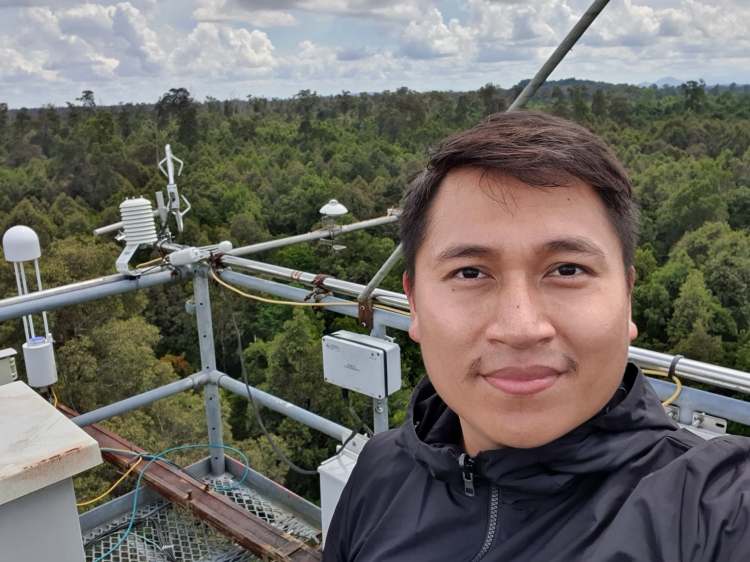
Sebastian Kalang William (University of Tartu, Estonia) is working on measuring GHG fluxes in tropical peat swamp forests and land use change.
PEAT Needs Winners – 2024

Ian Clancy (Trinity College, Ireland) is working to quantify the carbon and GHG dynamics of grassland on peat in Ireland. To do this he uses the eddy covariance method with the Teagasc NASCO network and automated chambers on a site in Gurteen Co. Tipperary 
Emelie Obi (University of Western Ontario, Canada) research focuses on how oribatid mites, the dominant microarthropods in boreal peatlands, respond to climate change and associated environmental shifts. 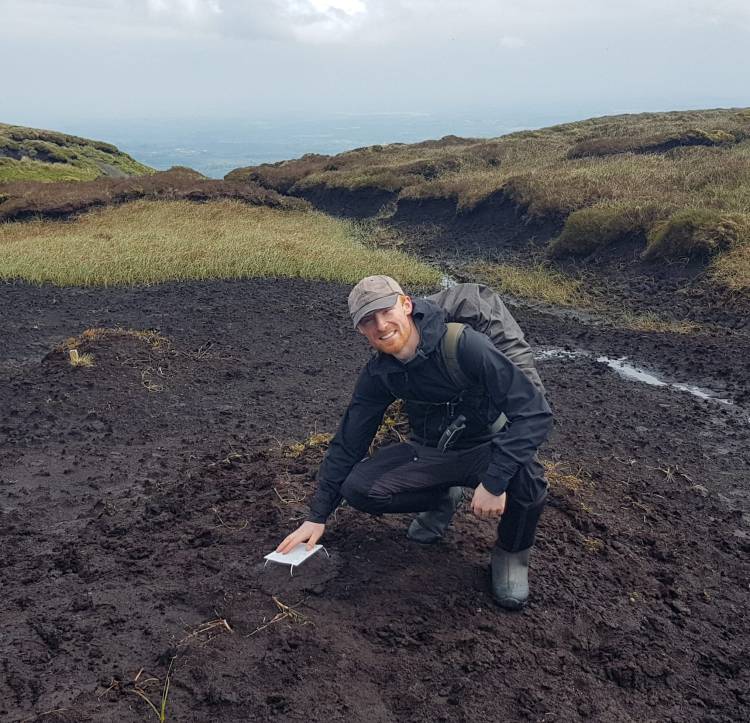
Kieran Boyd (Queen’s University Belfast, Northern Ireland) research focuses on characterising the invertebrate communities of upland blanket bogs in Ireland and understanding how these communities respond to blanket bog restoration. 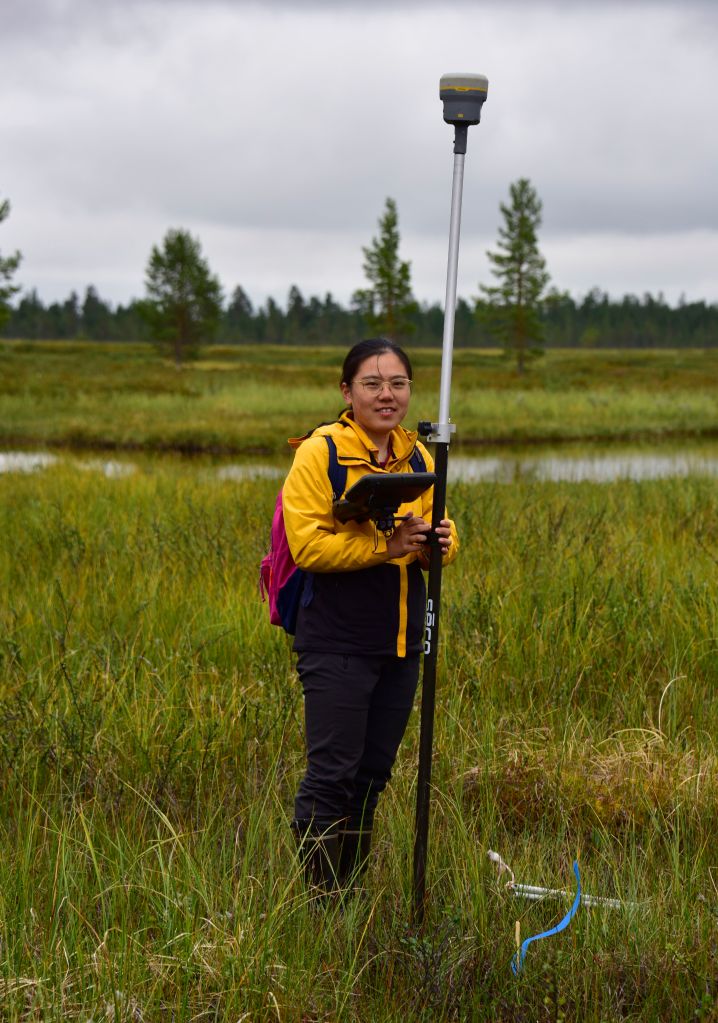
Yuwen Pang (University of Helsinki, Finland) is specialising in using remote sensing to study vegetation phenology in northern peatlands. 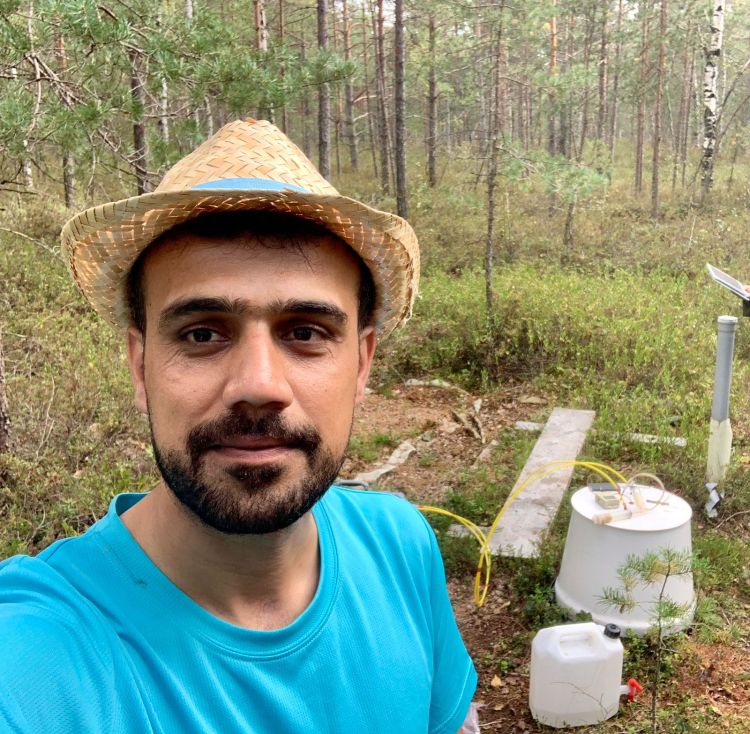
Kamil Sardar (University of Tartu, Estonia) research focuses on quantifying greenhouse gas emissions from drained peatlands in the Hemiboreal region of northern Europe. 
Dana Druka (University of Edinburgh, Scotland) research focuses on molecular techniques to assess peatland function, particularly relating to peat formation and decomposition.
PEAT Needs Winners – 2023
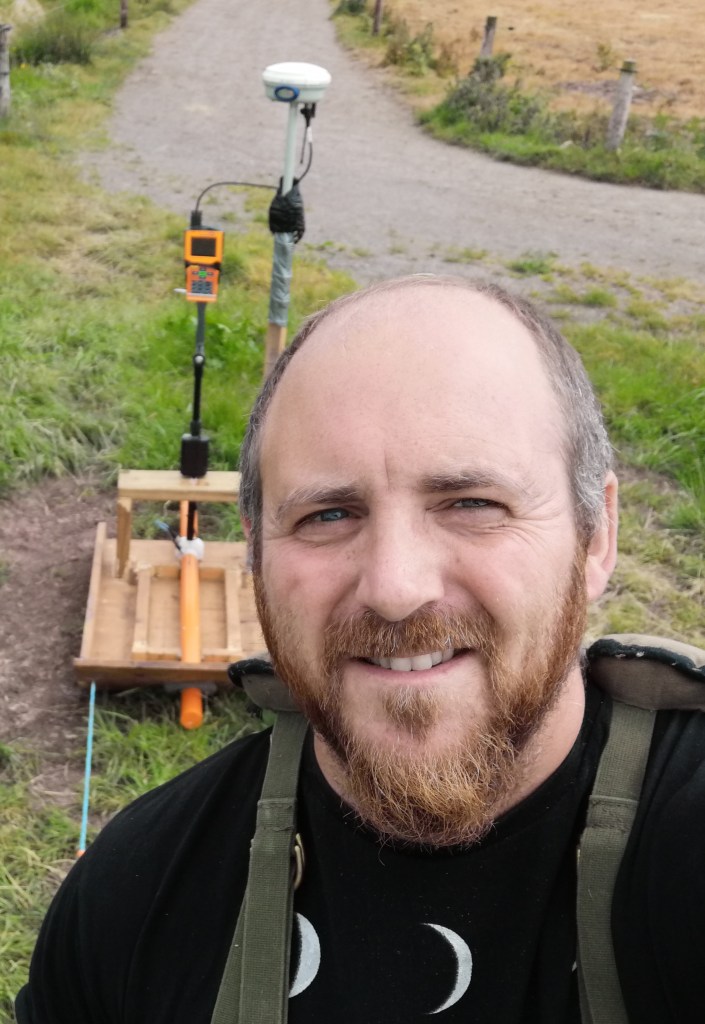
Dave O’Leary (University of Galway, Ireland) is working on bringing both undergraduate, postgraduate, postdoctoral and senior researchers together on research sites to to assess the application and impact of water table management on carbon-rich soils. 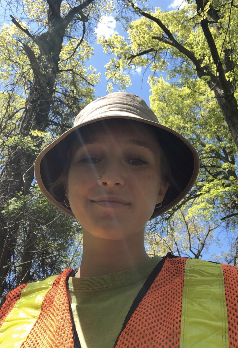
Keira McManus (Wilfried Laurier University, Canada) is working on understanding how nutrient release from thawing permafrost is impacting peatlands in the Canadian boreal forests, and the ability of plants to acquire and use these novel nutrients. 
Talal Asif (Université Laval, Canada) is working on the question if external phenolic additions can limit decomposition through enzymic latch strengthening at post-extracted peatlands in Quebec, Canada. 
Emma Duell (University of Plymouth, UK) is assessing carbon dynamics in wet woodlands in the UK, determining past landscape dynamics using paleo-environmental techniques and linking current and future carbon sequestration to ecohydrological variables, whilst also making comparisons to other wetland ecosystems. 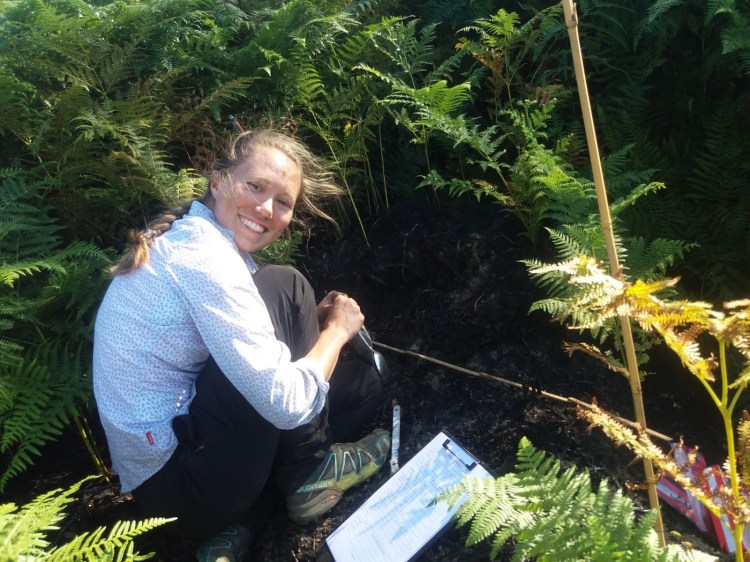
Abbey Marcotte (Wageningen University, Netherlands) studying physical runoff processes, modelling and chemical tracing in catchments in temperate peatlands following drought and wildfire disturbance. 
Kathleen Milne (Wilfried Laurier University, Canada) is working on lichen seeding in the Northwest Territories, Canada, to determine if it is a viable method of re-establishing caribou lichen after disturbance. 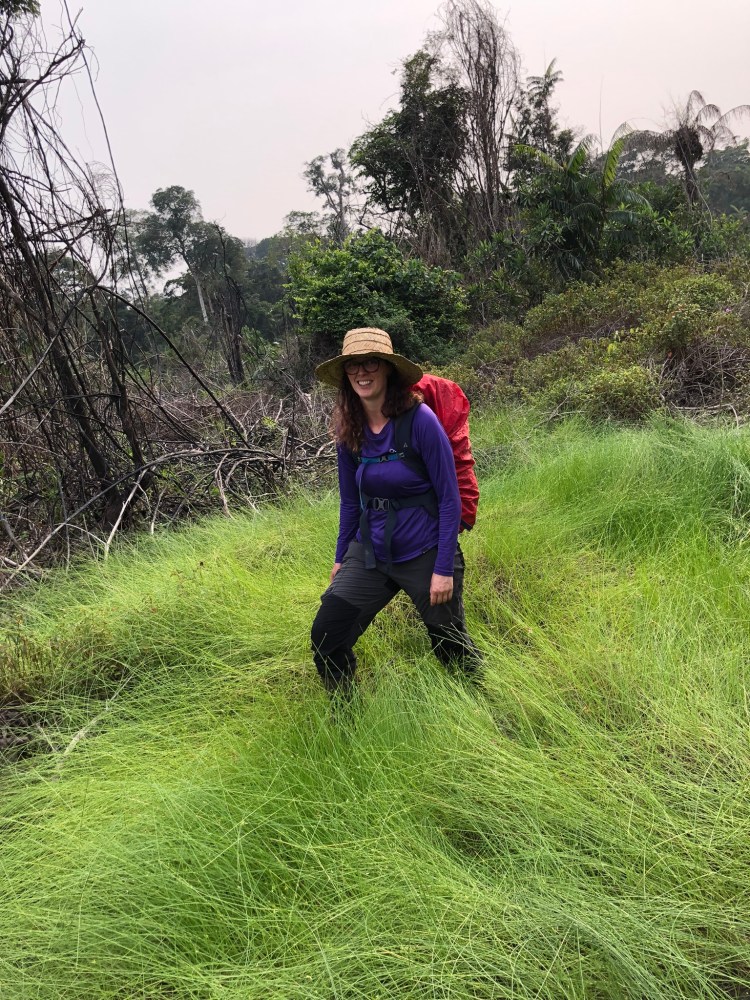
Shona Jenkins (University of Edinburgh, UK) on a field trip exploring the human uses, local values and uses of tropical peatland forests in the DRC’s Cuvette Centrale peatland. 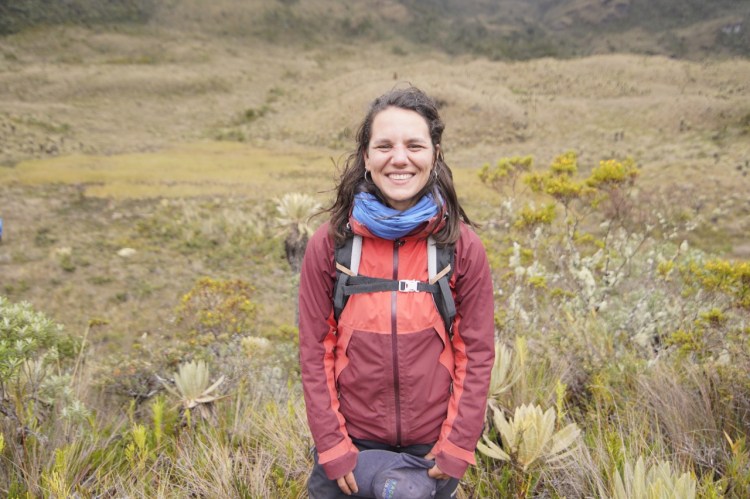
Violeta Martinez (University of Barcelona, Spain) studies the influence of climate change in the largest cushion peatland in the Colombian Andes. 
Frantz Zebaze (Sangmelima Resilience Association, Cameroon) evaluates the peatland thickness in the Dja-et-lobo division (South region of Cameroon) with high resolution, to make a peatland map of the region and provide useful resources for decision-making in natural resources conservation.
PEAT Needs Winners – 2022
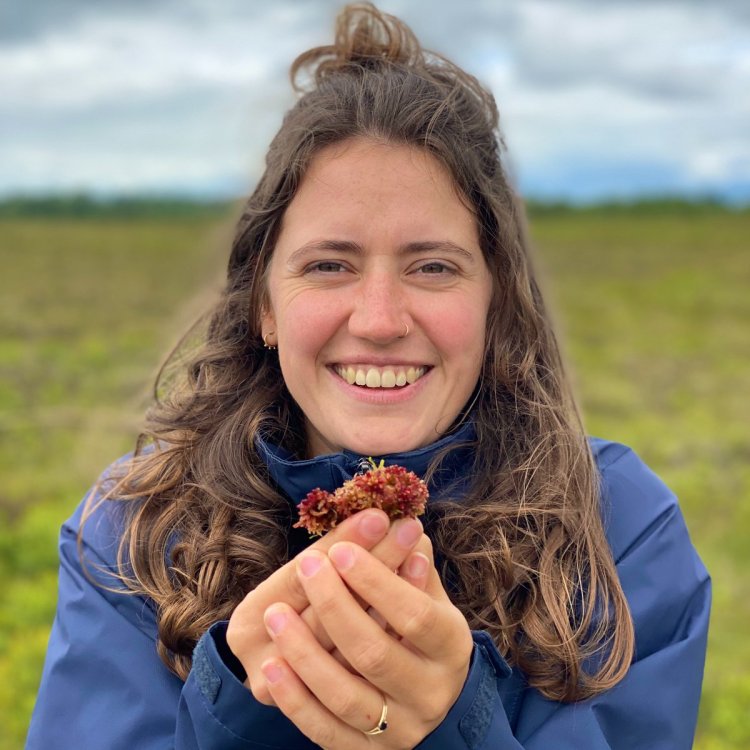
Yvet Telgenkamp, studying plant-microbe interactions in Northern Peatlands at Radboud University Nijmegen 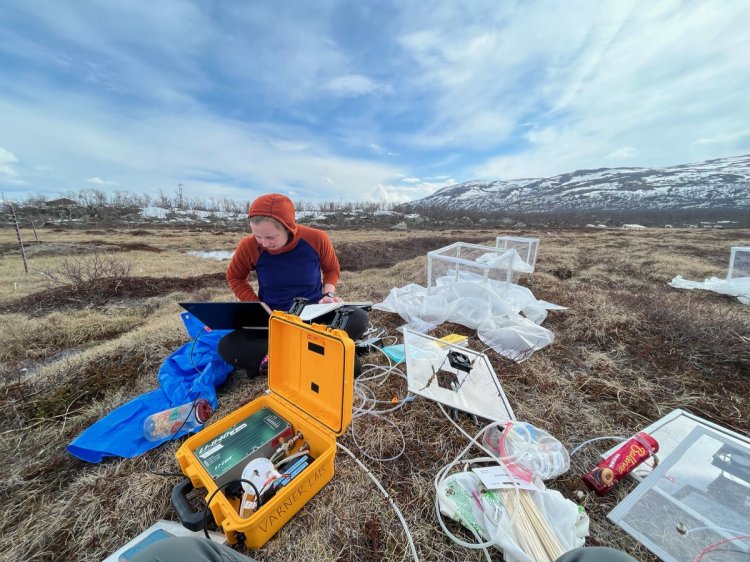
Cheristy Jones, studying terrestrial-aquatic linkages and C-cycling in the Arctic at Colorado College 
Romina Llanos studying paleoenvironmental and paleoclimatic reconstruction of Andean peatlands during the Holocene 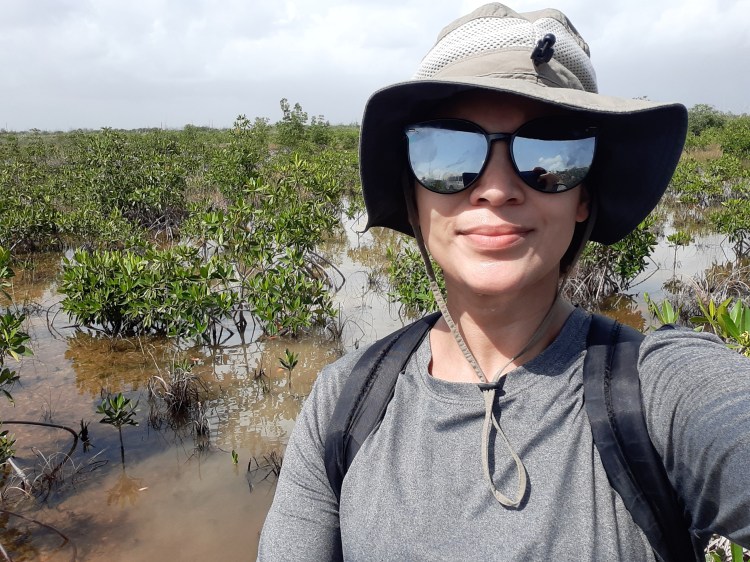
Jessica Turner studying the relationship between the partial pressure of CO2 in wetland surface waters and wetland CO2 fluxes 
María Fernanda Chiappero aiming to underst the mechanisms through which different biotic and abiotic factors determine soil C stocks of vegas, particular Andean wetlands, along an altitudinal gradient 
Alanna Bodo participates in a workshop on visual abstracts/infographics for her studies as dedicated peatland biometeorologist. 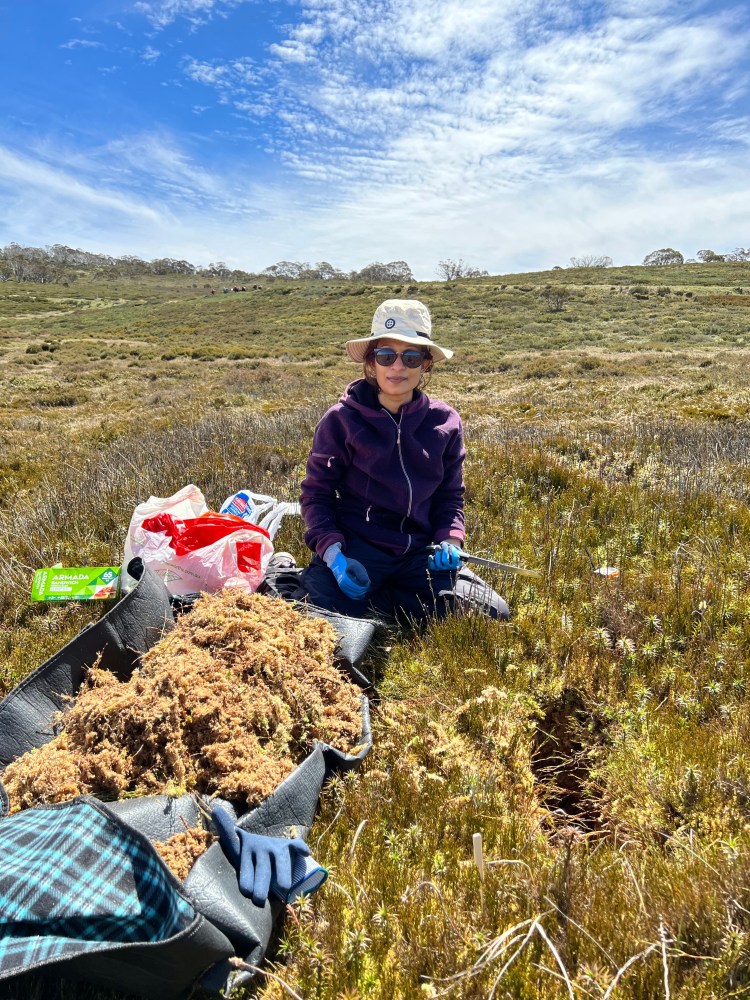
Charuni Jayasekara studying Carbon dynamics of the Australian Alpine and Tropical peatlands. 
Dingha Babila working on improving governance for sustainable utilisation of peatlands in Cameroon. 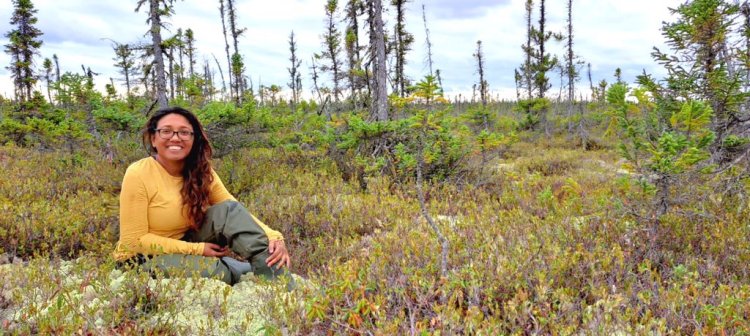
Michelle Kalamandeen collaborates with indigenous communities to map the carbon stocks in the Hudson and James Bay Lowlands, Canada.
PEAT Needs Winners – 2021
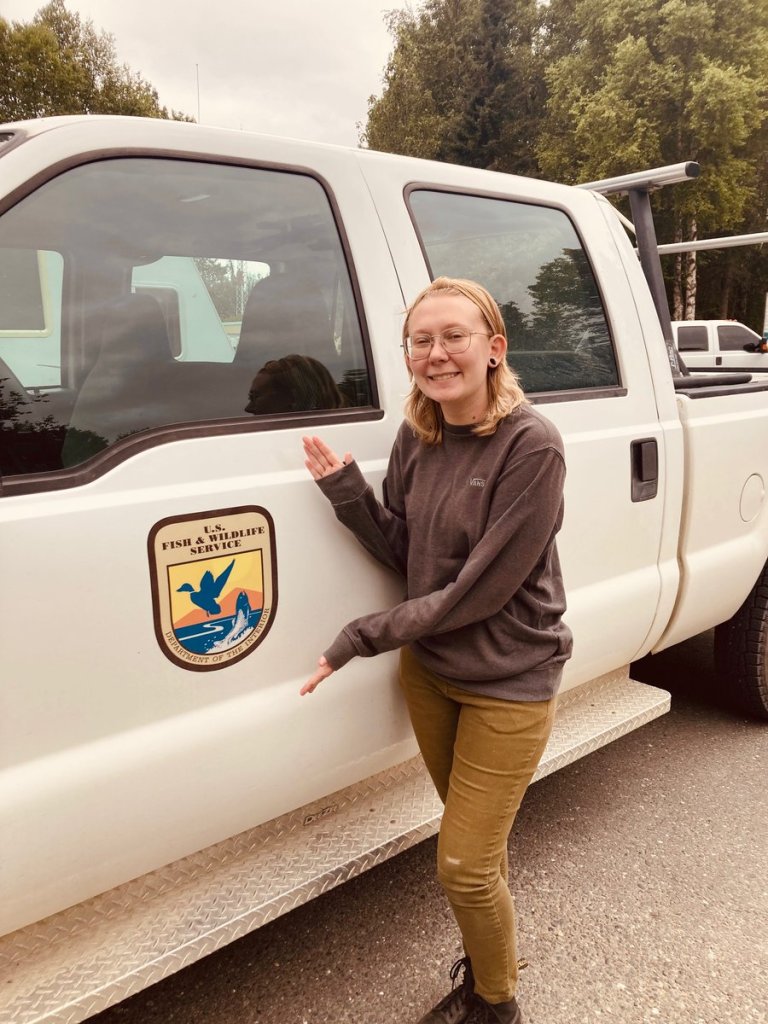
Alexis Stansfield from Lehigh University, USA, working on modelling peat core hiatus causes using the Holocene Peat Model 
Wahaj Habib, PhD student at Trinity College Dublin, Ireland, studying management impacts on peatland function 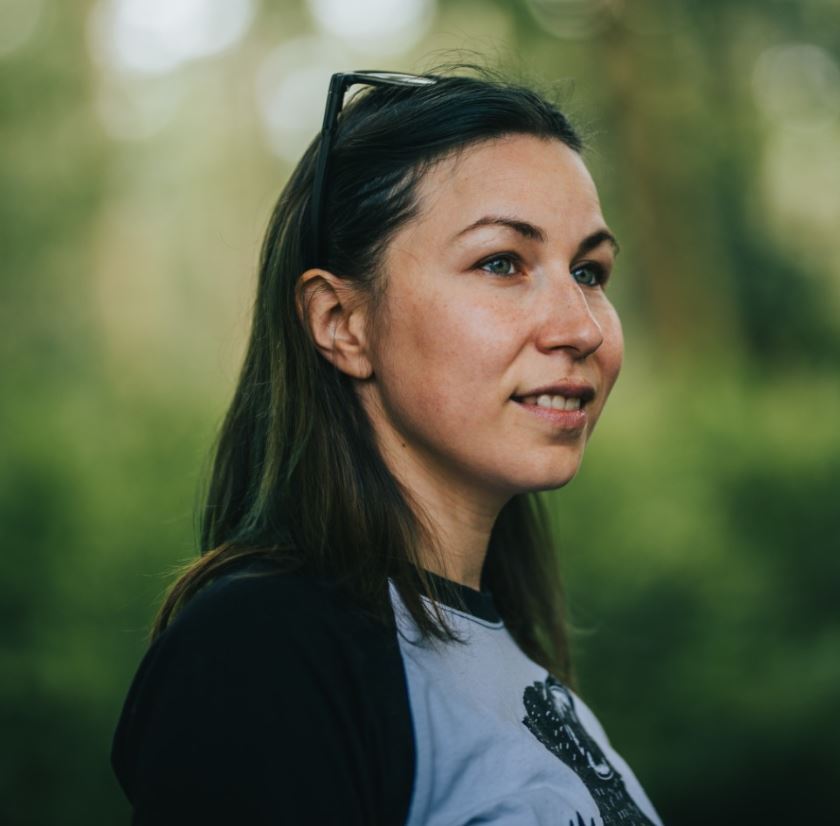
Elena Aitova, studying to restore the carbon storage capacity of peatlands at the University of Galway, Ireland.

For Peatland ECR
Connect with us
Subscribe to our quarterly newsletter
 Peatland ECR Action Team